Stevie Ray Vaughan Wife: Lenny Bailey and the Woman Behind the Music
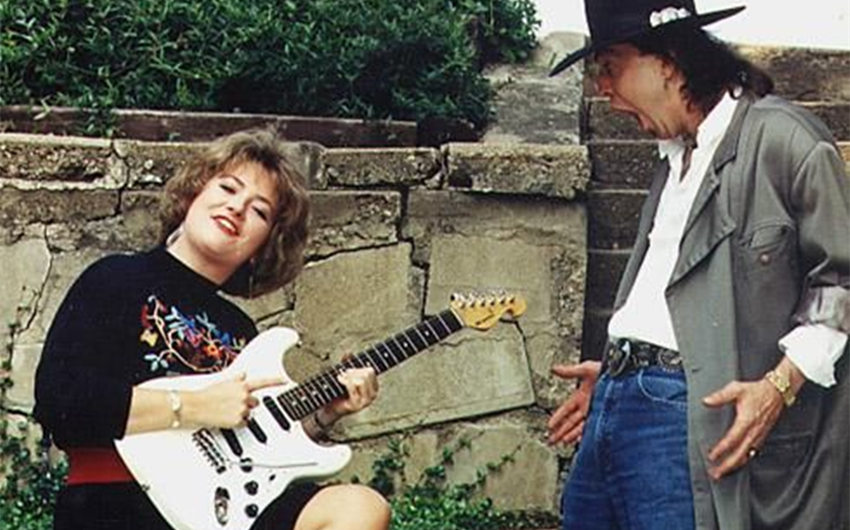
If you’re searching for Stevie Ray Vaughan wife, you’re likely looking beyond guitar solos and album covers, toward the personal story behind one of blues music’s most powerful figures. Stevie Ray Vaughan’s wife was Lenora “Lenny” Bailey, a woman who shared his early rise to fame and left a permanent imprint on his music. Their relationship unfolded during years of intense creativity, growing pressure, and personal struggle, making it an important—if often misunderstood—part of his life story.
Who Was Stevie Ray Vaughan?
Stevie Ray Vaughan was a Texas-born blues guitarist who reshaped modern blues and rock in the early 1980s. Known for his explosive playing style, emotional depth, and unmatched control of the guitar, Vaughan helped bring blues back into mainstream attention at a time when the genre had largely faded from popular radio.
Albums like Texas Flood and Couldn’t Stand the Weather turned him into a global force, admired by fellow musicians and fans alike. Yet behind the technical brilliance was a man struggling with addiction, pressure, and the weight of sudden success. Those personal battles deeply affected his relationships—especially his marriage.
Who Was Stevie Ray Vaughan’s Wife?
Stevie Ray Vaughan’s wife was Lenora Darlene Bailey, commonly known as Lenny. She was not a musician or celebrity, and she never sought public attention. Instead, her place in Vaughan’s story comes from her emotional closeness to him during his formative years as an artist.
Lenny is remembered largely because of how directly she influenced his music. Her presence in his life was significant enough that Vaughan named one of his most intimate songs—and even a beloved guitar—after her. She passed away in 2018, but her name remains familiar to fans because it lives on through his work.
How Stevie Ray Vaughan and Lenny Met
Stevie and Lenny met in the late 1970s, before Vaughan reached international fame. At that time, he was still building his reputation, playing clubs and smaller venues while trying to establish himself as a serious blues artist.
Their relationship developed quickly, rooted in emotional connection rather than celebrity lifestyle. Lenny became part of Vaughan’s inner world during a time when his career was still uncertain, which often creates a deeper bond than relationships formed after success arrives.
Marriage and Life Together
Stevie Ray Vaughan and Lenny Bailey married in December 1979. Their marriage coincided almost exactly with the period when Vaughan’s career began to take off. As his reputation grew, so did the demands on his time and energy.
Life together was anything but stable. Touring schedules were intense, fame brought constant pressure, and Vaughan’s struggles with alcohol and drugs became increasingly severe. These challenges placed enormous strain on their marriage. Being married to a rising rock musician often means long absences, unpredictable routines, and emotional turbulence—and for Stevie and Lenny, those pressures were constant.
Lenny Vaughan’s Influence on Stevie Ray Vaughan’s Music
Lenny’s most lasting influence can be heard in the instrumental song “Lenny”, released on Vaughan’s debut album Texas Flood. The track is soft, emotional, and reflective—dramatically different from the fiery blues riffs he was best known for.
Naming a song after someone is personal. Naming a guitar after someone is even more revealing. Vaughan’s “Lenny” guitar was one of his most treasured instruments, symbolizing how deeply she was woven into his creative identity.
The song “Lenny” feels intimate, almost private—like a conversation set to music. It remains one of his most beloved tracks, precisely because it shows a gentler, vulnerable side of an artist often associated with intensity.
Addiction and the Strain on Their Marriage
As Vaughan’s fame increased, so did his substance abuse. Throughout the early to mid-1980s, he battled severe addiction, a struggle that affected every area of his life. Addiction doesn’t exist in isolation—it alters relationships, trust, communication, and stability.
For Lenny, this period was especially difficult. Loving someone who is fighting addiction often means living in a state of uncertainty. Even when there is care and commitment, the emotional toll can be overwhelming.
In 1986, Vaughan reached a breaking point and entered rehabilitation. He emerged sober later that year and committed to recovery. While this marked a turning point in his personal health and career, it did not automatically heal the damage that had already occurred in his marriage.
Divorce and Life After Marriage
Stevie Ray Vaughan and Lenny divorced in 1988. The separation was painful and disruptive, coming at a time when Vaughan was still rebuilding his life after addiction.
The divorce also affected his creativity. Personal upheaval can temporarily stall artistic output, and Vaughan experienced that pause as he adjusted to sobriety and the end of his marriage. Still, this period ultimately led to renewed clarity and purpose in his music.
After the divorce, Lenny stepped away from the public narrative almost entirely. She did not give interviews or seek attention, remaining a private individual even as fans continued to associate her name with one of Vaughan’s most famous compositions.
Stevie Ray Vaughan’s Final Years and Legacy
The final years of Vaughan’s life were marked by sobriety, renewed focus, and artistic maturity. Many fans believe he was entering a new creative peak—one grounded not in excess, but in intention.
Tragically, that chapter was cut short. Stevie Ray Vaughan died in a helicopter crash on August 27, 1990, at just 35 years old. His death shocked the music world and solidified his legacy as one of the greatest guitarists of all time.
While Lenny was no longer his wife at the time of his death, her place in his story remained secure. She represents the early years—the emotional roots, the personal inspiration, and the humanity behind the legend.
Featured Image Source: pinterest.com